- An ISO Certified Company
How Smart Homes Reduce Energy Consumption
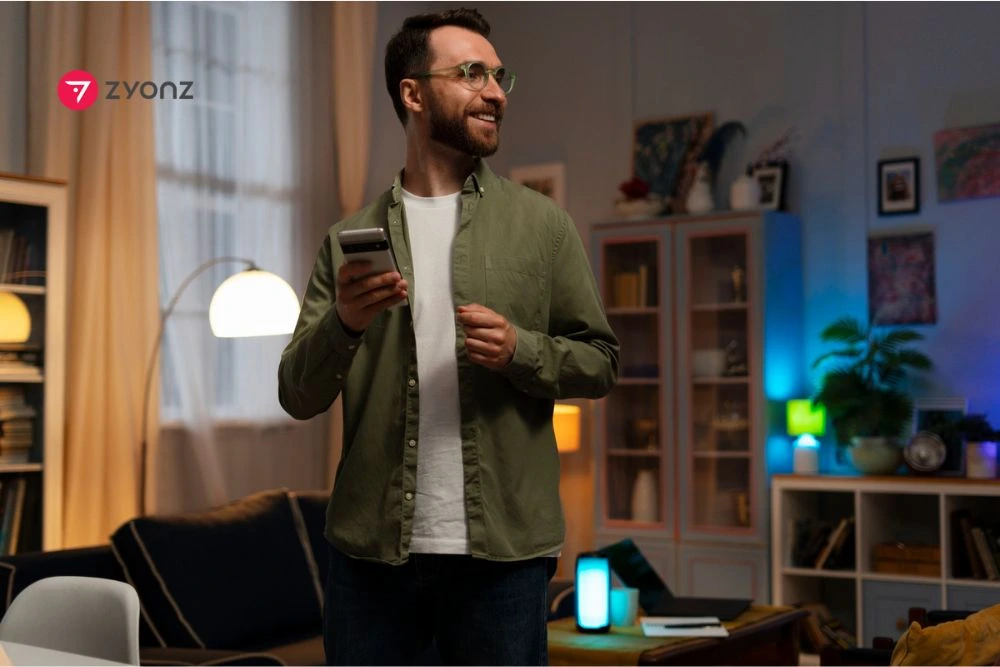
Energy efficiency has become a major focus in modern living. With increasing electricity costs and greater awareness of environmental impact, homeowners are looking for ways to reduce energy usage without sacrificing comfort. Smart home technology provides exactly that balance. By introducing automation, real-time control, and intelligent system coordination, smart homes significantly cut down unnecessary energy consumption while improving everyday convenience.
Rather than relying on manual switches and fixed schedules, a smart home responds dynamically to how people live inside it. This responsiveness is what makes it powerful in reducing wasted energy.
Energy Waste in Traditional Homes
In a conventional home, most energy loss happens quietly. Lights remain on in empty rooms, air conditioners cool spaces that are not being used, and appliances continue drawing power in standby mode. Because these activities are routine, they often go unnoticed, yet they add up to substantial monthly costs.
Smart home systems address this by ensuring that energy is used only when and where it is needed.
Automatic Lighting That Thinks for You
Smart lighting is one of the simplest and most effective ways to reduce power usage. Motion sensors detect presence and turn lights on only when someone enters a space. When the room is empty, the lights switch off automatically.
In addition, brightness levels can adjust based on available daylight. During the daytime, artificial lighting reduces itself, and in the evening, it gently increases to maintain comfort. This intelligent behavior avoids unnecessary electricity use while extending bulb life.
Smarter Cooling and Heating
Heating and air conditioning systems consume the highest amount of household energy. Smart thermostats and climate sensors optimize cooling based on occupancy and time of day. If no one is home, the system automatically shifts to an energy-saving mode. Before residents return, it restores comfortable temperatures.
Instead of constant operation, the system runs only when required. This results in lower energy bills and longer equipment lifespan.
Curtains and Blinds That Regulate Natural Light
Automated curtains and blinds play an important role in energy efficiency. During hot daylight hours, blinds close to block excess heat from entering the room. In the morning or evening, they open to let in natural light, reducing the need for artificial lighting.
By managing sunlight intelligently, smart shading systems reduce air-conditioning load and lighting consumption at the same time.
Stopping Standby Power Loss
Many electronic devices draw power even when switched off. Televisions, chargers, gaming consoles, and kitchen appliances often remain in standby mode, quietly consuming electricity.
Smart plugs and power control systems solve this issue. Devices can be scheduled to shut down completely when not in use or turned off remotely through a mobile app. This eliminates hidden energy waste.
Real-Time Energy Awareness
One of the biggest advantages of a smart home is visibility. Energy monitoring tools show exactly how much electricity is being consumed and where. When homeowners see real-time usage data, they naturally make better energy decisions.
Identifying high-consumption devices helps adjust habits, replace inefficient equipment, and plan smarter usage patterns.
Outdoor Lighting Without Excess Usage
Outdoor lighting is essential for safety but often wastes energy when left on all night. Smart outdoor lighting activates only when motion is detected or at scheduled times. LED-based smart fixtures provide strong illumination with minimal power consumption.
This keeps properties secure while avoiding unnecessary electricity usage.
Whole-Home Automation for Maximum Efficiency
The real energy savings of a smart home come from system integration. Lighting, climate control, curtains, and appliances work together through automation scenes.
For example:
-
When leaving home, lights turn off, cooling shifts to eco-mode, and non-essential appliances power down.
-
At bedtime, lights dim, blinds close, and temperature adjusts for comfortable sleep.
These automated routines ensure energy is never wasted due to forgetfulness or manual error.
Long-Term Savings and Sustainability
Reducing energy consumption leads to immediate savings on utility bills. Over time, these savings offset the cost of smart home installation. At the same time, lower energy demand reduces carbon emissions, supporting environmentally responsible living.
A smart home is not only a convenience upgrade, but it is an investment in a sustainable lifestyle.
Professional System Design Matters
To achieve real energy efficiency, smart home systems must be planned and installed correctly. Device placement, network stability, and automation programming all influence performance.
Zyonz Technologies designs and integrates smart home solutions that focus on practical energy savings, reliable automation, and user-friendly control. With professional implementation, homeowners gain systems that operate efficiently from day one.
Conclusion
Smart home technology transforms energy consumption from uncontrolled usage into intelligent management. Through automated lighting, optimized climate control, smart shading, appliance power management, and real-time monitoring, smart homes significantly reduce electricity waste.
The result is a home that costs less to run, feels more comfortable to live in, and contributes to a greener future. As energy efficiency becomes a priority worldwide, smart homes stand as the modern solution for responsible and intelligent living.
Your Questions Answered
Explore our frequently asked questions to find answers to common queries about our in Dubai. If you can't find what you're looking for, feel free to contact us for further assistance.
 Categories